India didn’t run out of oil.
It ran out of easy oil.
#AssetArchaeology | India's Silent Giants — KG Basin Evolution
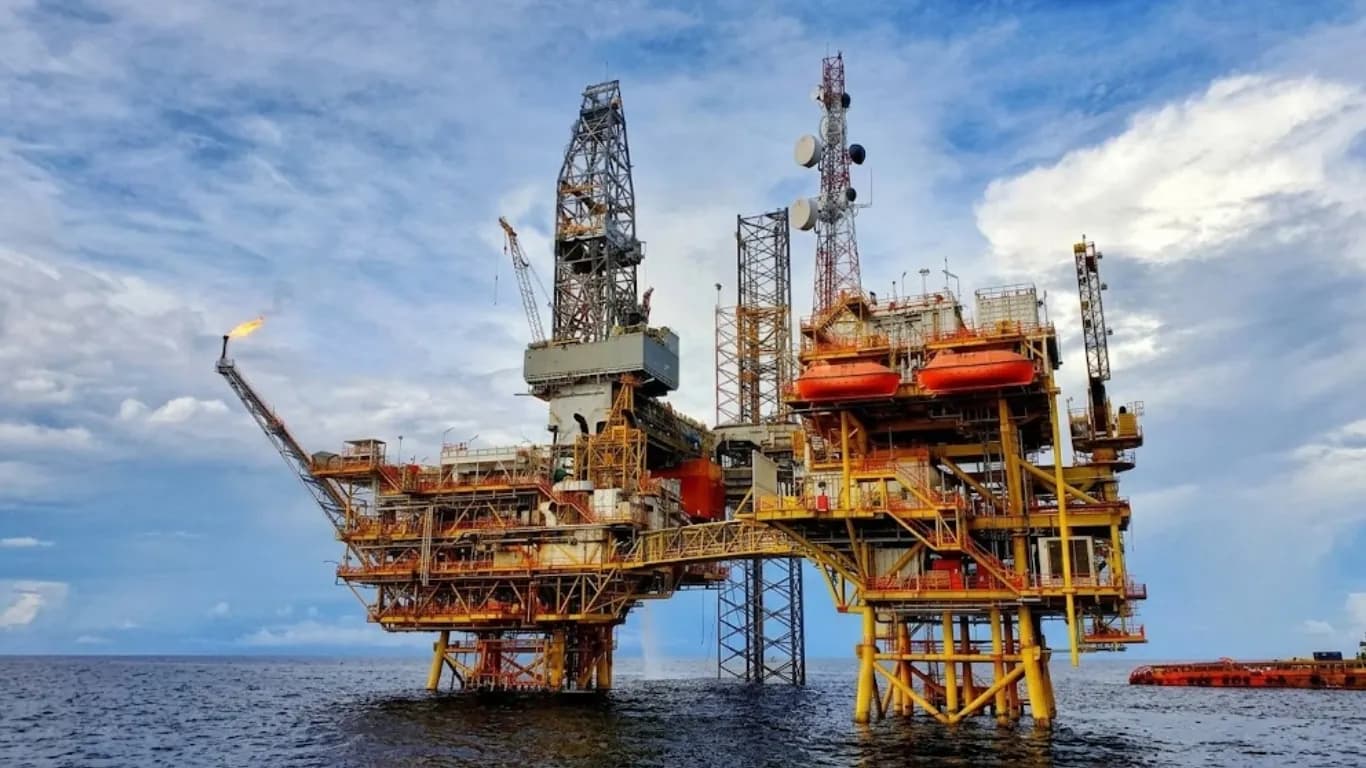
KG-DWN-98/2 sits 22–45 km off the Godavari Delta coast, Andhra Pradesh. Water depth: 300m to 3,200m. Block size: 7,295 km². One block. Three clusters. 25 years. Still unfinished.
The geology explains everything
Pliocene deepwater channel deposits. Archean basement. Reservoirs 2,000–3,000m below seabed. Crude that solidifies within hours of shutdown.
This was never easy oil.
The Timeline :
1983 — First gas discovery in KG basin, Rajahmundry. Nobody saw what was coming.
1999 — Cairn India, Statoil and ONGC win KG-DWN-98/2 in India's very first NELP bidding round.
2000–2005 — Cairn makes four discoveries — Padmavati, Kanakdurga, N-1, R-1 — then sells 90% to ONGC. Ultra-deepwater costs too high. Gas prices too low.
2005–2013 — ONGC makes six more discoveries. Approaches Shell, Statoil, ConocoPhillips and Petrobras for joint development. All walk away — project risk too high, government-regulated gas price ($7/mmbtu) makes returns impossible.
2018 — ONGC commits alone. McDermott, Baker Hughes and L&T Hydrocarbon Engineering win a $1.6B subsea contract — the largest subsea contract ever awarded in India at that point. Scope includes 26 deepwater trees, full SURF installation.
Mar 2020 — First gas from a single well at 1,300m water depth — the deepest ONGC had ever opened. Production in under 14 months from spud. A deepwater industry benchmark.
Nov 2022 — PM Modi dedicates U-field onshore facilities to the nation. U-3-B — one of the fastest deepwater wells monetised globally — 11 months from discovery to revenue.
Jan 7, 2024 — First oil from M-field. Phase 2 complete. Four years behind original schedule.
Now — Production at 28,000 bpd against a 45,000 bpd target. Declining since January 2024. BP engaged to diagnose root-cause well issues. Peak gas of 10 mmscmd targeted mid-2026.
Next — Cluster 3 contains one ultra-deep-water gas discovery — UD-1 — which when monetized would be the second deepest hydrocarbon field in the world. Field development plan targeted for submission by 2026.
Why engineers remember this block
- Pipe-in-pipe — First ever in India. Only solution for waxy HP/HT crude. - 425km pipelines | 150km umbilicals | 26 subsea trees | 1 FPSO @ 413m
- Digital twin — Reservoir + production + asset data fused. Hydrates form in hours. No margin for error.
- 900M barrels. 3 Tcf gas. $5B just for Cluster 2. Clusters 1 & 3 still ahead.
Three clusters. One FPSO. 26 deepwater trees. A gas field that will be the world's second deepest when it flows.
This block isn't done writing history.
What does Cluster 3 mean for deepwater controls and automation in India?
Oil and Natural Gas Corporation Ltd