
Product system
Rack Phase Difference (RPD) Monitoring System
Monitor Every Chord. Understand Every Difference.
SMEC provides Rack Phase Difference (RPD) Monitoring Systems for offshore jack-up drilling rigs, supporting the measurement and monitoring of relative rack-chord displacement during jacking operations.
The system integrates daisy-wheel position sensors, electronic measurement, digital controllers, graphical HMI displays, alarms and historical trends to help operators identify changing rack phase conditions.
SMEC supports new RPD installations, legacy monitoring-system replacements, sensor upgrades and integration with compatible jack-up rig jacking control systems.
- Rack Phase Monitoring
- Daisy-Wheel Sensors
- RPD Alarms
- Jack-Up Rig Retrofits
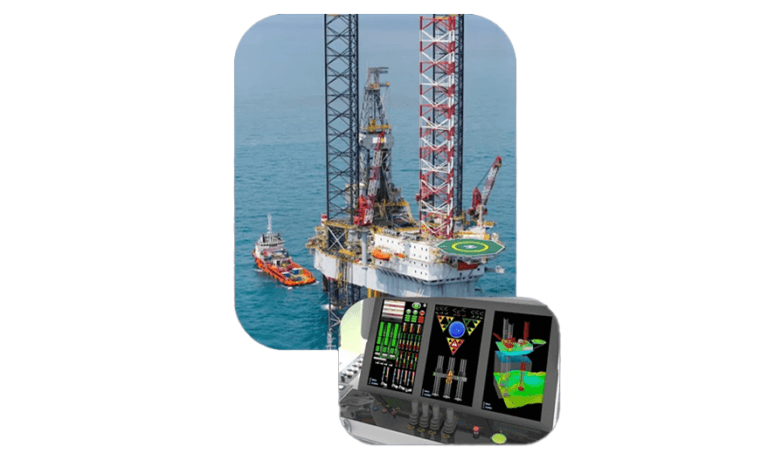
Rack Phase Difference Monitoring for Jack-Up Rigs
See the Difference Between Leg Chords.
A jack-up rig's jacking machinery raises or lowers the hull along the rack-equipped legs.
Rack Phase Difference is the relative vertical displacement between corresponding rack positions on different chords of the same leg.
Monitoring RPD helps operators recognise differential chord movement and assess measurements against the rig's approved operating limits.
SMEC's RPD system provides measurement, operator indication, graphical monitoring and alarm information during jacking operations.
RPD System Features
- Electronic rack-chord position measurement
- Daisy-wheel sensor-based monitoring
- Multi-leg RPD measurement and indication
- Graphical HMI displays with numerical values
- Configurable RPD warning and alarm indication
- Historical trends and data retrieval
- Sensor and system-status monitoring
- Interfaces with compatible jacking control systems
- Existing RPD system upgrades, replacements and repairs
Actual capabilities depend on the installed sensor arrangement, software configuration and approved system scope.
RPD System Technical Configuration
| Parameter | Typical SMEC Configuration |
|---|---|
| Application | Offshore jack-up drilling rigs |
| Legs Monitored | 3 |
| Position Measurement | Daisy-wheel sensing |
| Sensors per Leg | 3, one per chord |
| Total Sensors | 9 |
| Operator Interface | Graphical HMI |
| RPD Indication | Numerical and graphical |
| Alarm Functions | Configurable warning and alarm indication |
| Data History | Trend recording and retrieval |
| Integration | Compatible jacking control interfaces |
The nine-sensor arrangement applies to the described three-leg, three-chord configuration. Other rig designs require separate engineering.
How the RPD Monitoring System Works
1. Rack Position Sensing
Daisy-wheel sensors track movement at the designated rack chords of each jack-up leg.
2. RPD Calculation
The monitoring system processes the measured positions and calculates relative rack phase differences according to the approved measurement method.
3. Operator Display
The HMI presents rack phase information through numerical values and graphical representations for individual legs and chords.
4. Alarm & Trend Monitoring
Configured alarm thresholds identify RPD conditions requiring operator attention. Historical data supports operational review and troubleshooting.
RPD System Architecture
| Component | Function |
|---|---|
| Daisy-Wheel Position Sensors | Measure rack-chord movement |
| Sensor Signal Interfaces | Acquire and transmit position information |
| RPD Controller | Processes measurements and calculates relative rack differences |
| Operator HMI | Displays values, graphical indications and system status |
| Alarm Interface | Provides configured warnings and fault information |
| Historical Data / Trends | Records measurements and supports event review |
| Jacking Control Interface | Exchanges approved monitoring information with compatible systems |
RPD System Upgrades & Retrofits
Existing RPD System. Obsolete Sensors or Monitoring Equipment?
SMEC supports:
- Daisy-wheel sensor replacement and integration
- RPD controller and HMI modernisation
- Alarm and graphical display upgrades
- Historical trend and event-recording improvements
- Sensor calibration and signal verification
- Existing jacking-console monitoring integration
- RPD system repair and replacement engineering
Existing sensors, cables and monitoring interfaces may be retained where technically suitable and verified.
Applications
- Offshore Jack-Up Drilling Rigs
- Jacking System Modernisation
- Rig Refurbishment
- Rig Reactivation
- Rig Life Extension
SMEC Engineering, Testing & Commissioning
SMEC supports RPD system engineering, sensor and control-panel integration, operator HMI configuration, alarm implementation and technical documentation.
Depending on project scope, services may include Factory Acceptance Testing (FAT), sensor calibration, functional verification, installation support, Site Acceptance Testing (SAT) and commissioning.
RPD measurement reference points, allowable limits and any associated protective actions must follow the approved rig-specific design and operating requirements.
Frequently Asked Questions
What is Rack Phase Difference (RPD) in a jack-up rig?
Rack Phase Difference is the relative vertical displacement between corresponding rack positions on different chords of the same jack-up leg. Monitoring these differences helps operators assess rack phase conditions during jacking operations.
How many sensors are used in SMEC's RPD system?
The described SMEC configuration uses three daisy-wheel sensors per leg, with one sensor for each chord. A three-leg, three-chord jack-up rig therefore uses nine sensors.
Can RPD values be monitored through an HMI?
Yes. The RPD system provides graphical and numerical indications, with configured alarms and trend information available according to the supplied system features.
Is an RPD monitoring system the same as a jacking control system?
No. An RPD system measures and monitors relative rack-chord displacement. A jacking control system manages approved machinery commands, motor and brake interfaces and operating interlocks. The two systems may be integrated, but their functions are distinct.
Can SMEC replace an existing RPD monitoring system?
Yes. SMEC can assess existing sensors, controllers, HMIs and monitoring interfaces for repair, modernisation or replacement, subject to compatibility and engineering requirements.
What information is required for an RPD system quotation?
Share the jack-up rig model, jacking-system OEM, number of legs and chords, existing RPD sensor details, controller/HMI information, relevant drawings, required monitoring functions and project schedule.
Other SMEC systems
Every system is built to the rig it serves and integrated with the rest of the installation.
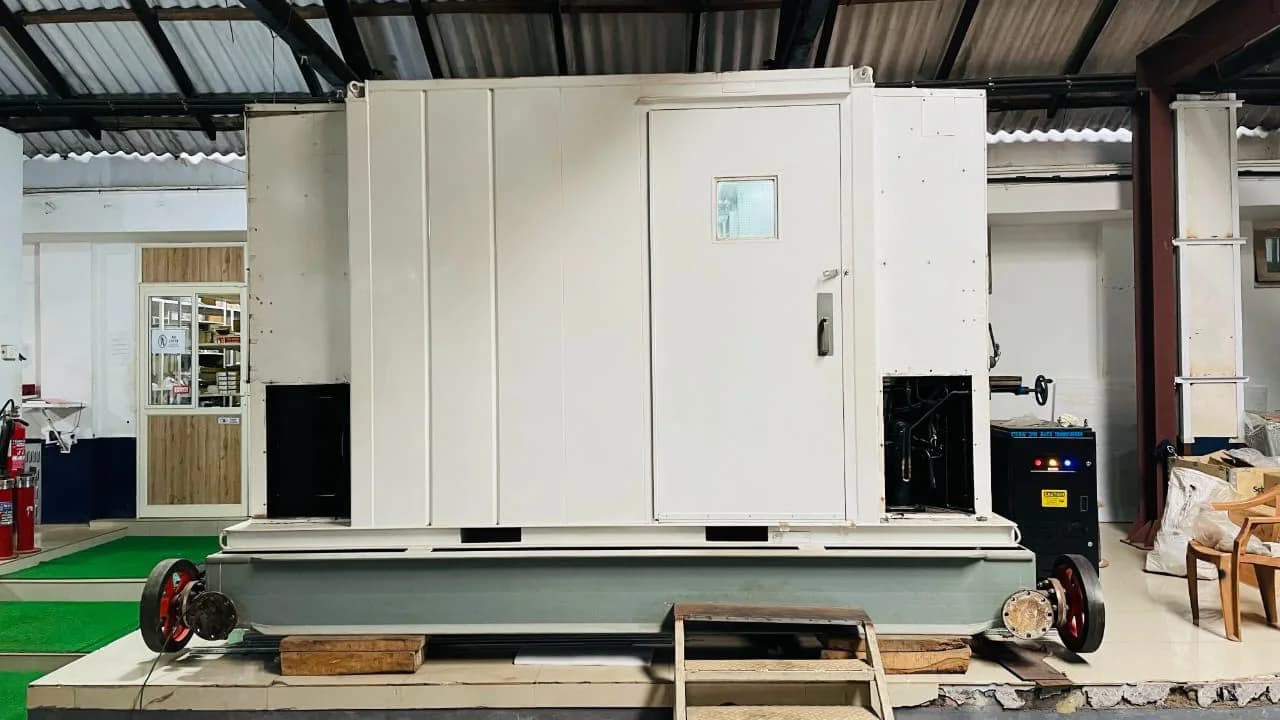
Power Houses
PCR House | SCR House | VFD House
Know More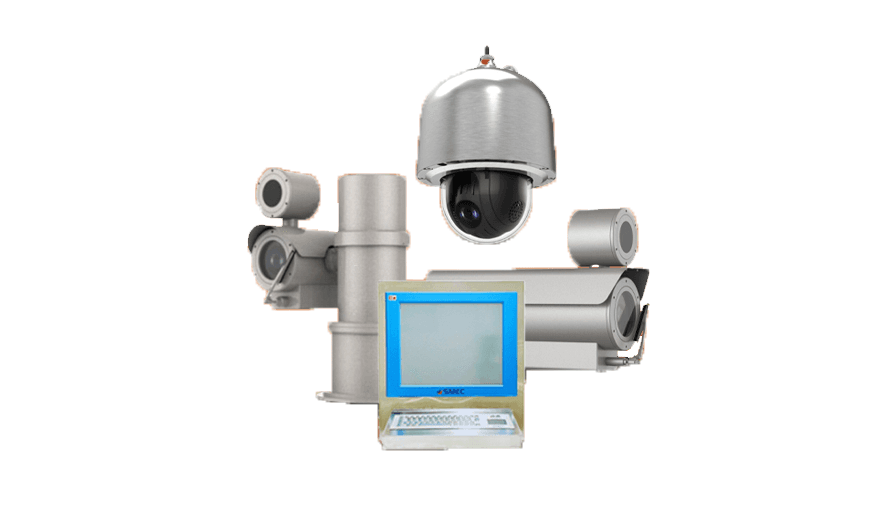
CCTV & AI Video Surveillance
See More Than Footage. Detect What Matters. Respond with Better Information.
Know More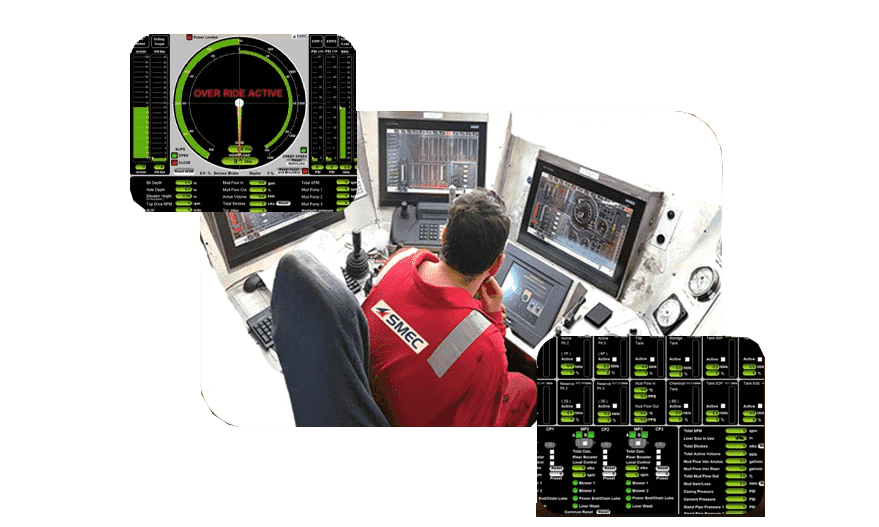
Drill Monitor System
Real-Time Drilling Data. Configurable Rig Monitoring. Engineered for Modernisation.
Know More
Integrated Drilling Control System
Elevate Your Drilling: Precision Meets Innovation with SMEC’s Integrated Control System!
Know More
Request an RPD System Technical Assessment
RPD Monitoring Upgrade? Sensor Replacement? Rig Reactivation?
SMEC can review the existing rack phase monitoring arrangement and develop a project-specific engineering, integration or retrofit proposal.
AE · Middle East & International
SMEC Oil & Gas Solutions LLC
Abu Dhabi, UAE
IN · India
SMEC Automation Pvt Ltd
Kochi, Kerala, India